
29 April 1945
US troops liberated the Dachau concentration camp on 29 April 1945. The camp had been opened by the Nazi regime on 22 March 1933. According to the United States Holocaust Memorial Museum, about 32,000 prisoners were liberated on that day.
Liberation did not mean the end of suffering. In the days before, at least 25,000 prisoners of the Dachau camp system had been taken away or forced onto marches. In the days and weeks after 29 April 1945, thousands more died of exhaustion, disease and the effects of their imprisonment.
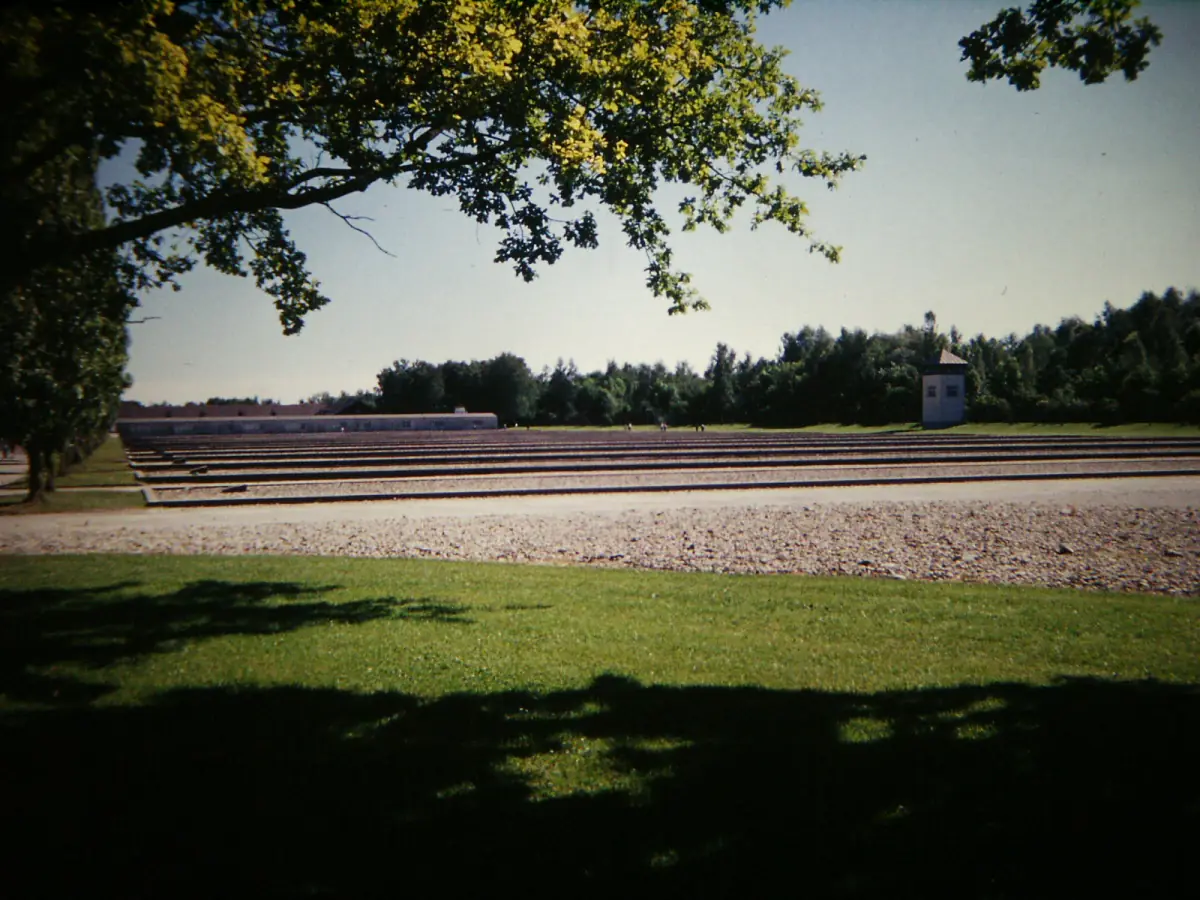
The last weeks of the camp
The events in the order in which they happened. Where the sources give no single date, none is given here.
From 23 April 1945: subcamps cleared
From 23 April 1945, the Kaufering subcamps were cleared. According to the memorial site, at least 25,000 prisoners of the Dachau camp system as a whole were taken away or forced onto marches in these weeks.
26 April 1945: the registered prisoners
On 26 April 1945, according to the US Holocaust Memorial Museum, 67,665 registered prisoners were held in the main camp and the subcamps together, more than half of them in the main camp. This figure is a count on one day, not the total number of people ever imprisoned in Dachau.
26 April 1945: the death march from the main camp
On the same day, the first columns left the main camp. The Germans forced more than 7,000 prisoners, most of them Jews, on a march toward Tegernsee. Prisoners were shot or died of hunger, cold and exhaustion on the way.
29 April 1945: liberation
US troops reached the camp and liberated about 32,000 prisoners. On their approach, the soldiers found more than 30 railroad cars with bodies.
Early May 1945: the survivors of the march
The survivors of the death march from the main camp were liberated in early May 1945. The sources give no single day for this.
The two figures for the death marches
Two figures describe the forced marches, and they refer to different groups. More than 7,000 prisoners were forced to march from the main camp toward Tegernsee from 26 April 1945, according to the US Holocaust Memorial Museum. At least 25,000 prisoners of the entire Dachau camp system, including the subcamps, were taken away or forced onto marches from 23 April 1945 onward, according to the memorial site. The figures do not contradict each other. The larger one includes the subcamps.
The same care applies to the train. The more than 30 railroad cars with bodies show the scale of the dying in the last days. No exact number of the dead in the train can be derived from them.
The liberating units
The US Holocaust Memorial Museum names three US Army units as the liberators of Dachau: the 42nd Infantry Division, the 45th Infantry Division and the 20th Armored Division. All three are named together. No single unit can be described as the sole or the first liberator of the camp on the basis of this source.
For the history of the camp from its opening in 1933 until 1945, including the persecuted groups and the crematorium area, see the history of Dachau page.
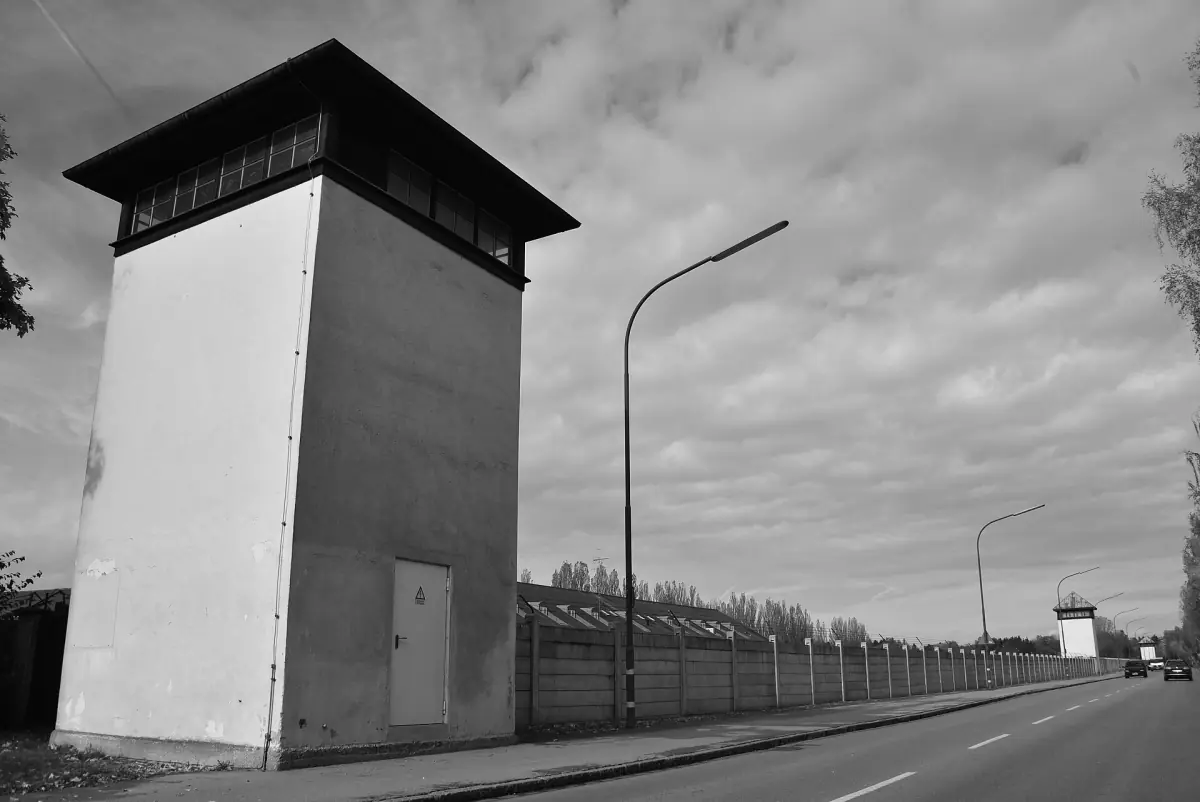
After the liberation
For many survivors, liberation came too late. Thousands died in the days and weeks after 29 April 1945 of exhaustion, disease and the effects of their imprisonment. Liberation did not mean immediate recovery or an immediate return home.
From April to June 1945, former prisoners were cared for on the site while they waited to be repatriated. From July 1945 until summer 1948, the United States used the camp to intern Nazi Party officials and members of the SS. In 1948, the former prisoner camp was handed over to Bavaria and became a camp for expellees, later known as the Dachau East housing settlement.
On the initiative of survivors, the memorial site opened on 9 May 1965. Two later dates on the site fall on the anniversary of the liberation. The Russian Orthodox Chapel was consecrated on 29 April 1995, and the visitor center opened on 29 April 2009.
Remembering the liberation today
In 2026, the events for the 81st anniversary took place with an accompanying program from 1 to 3 May 2026. The historical date of the liberation remains 29 April 1945.
The religious memorials at the end of the camp road were consecrated after the war. They include the Catholic Mortal Agony of Christ Chapel, the Protestant Church of Reconciliation, the Jewish Memorial and the Russian Orthodox Chapel.
If you plan to visit, the visiting the memorial site page covers opening hours and conduct on site, and getting there from Munich explains the route by S-Bahn and bus.

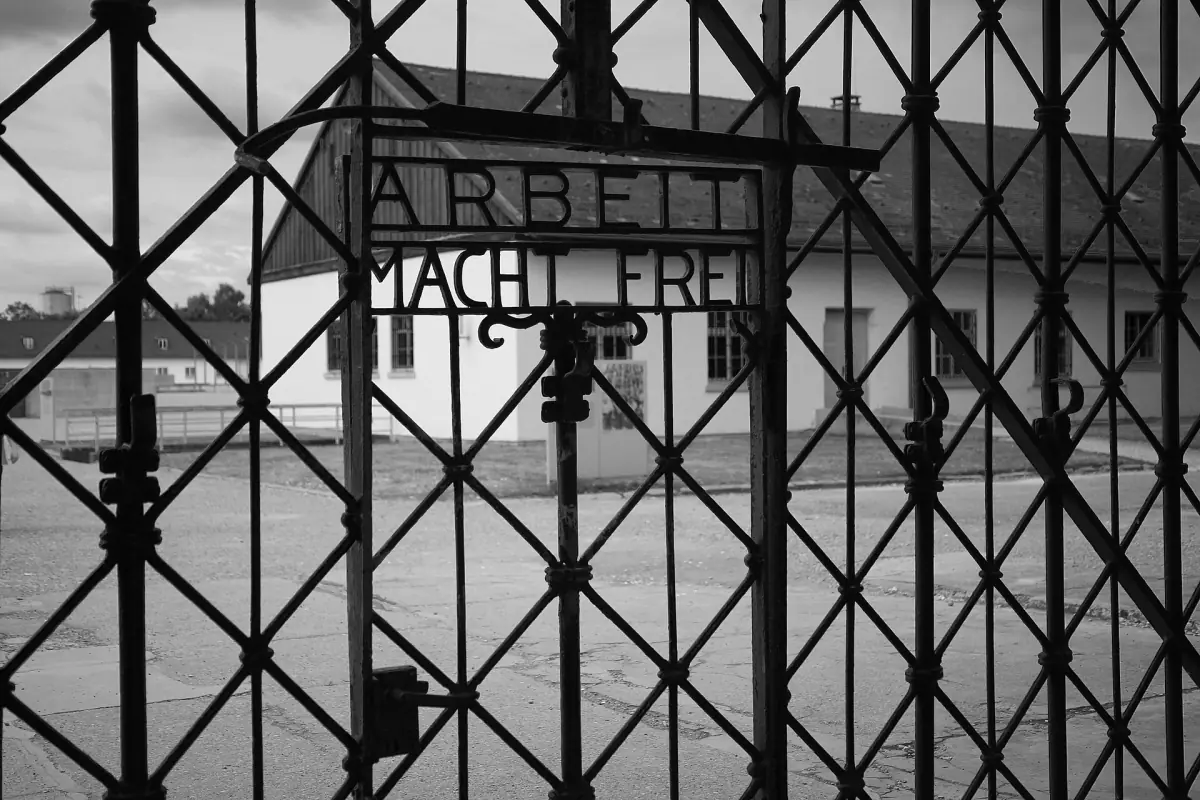
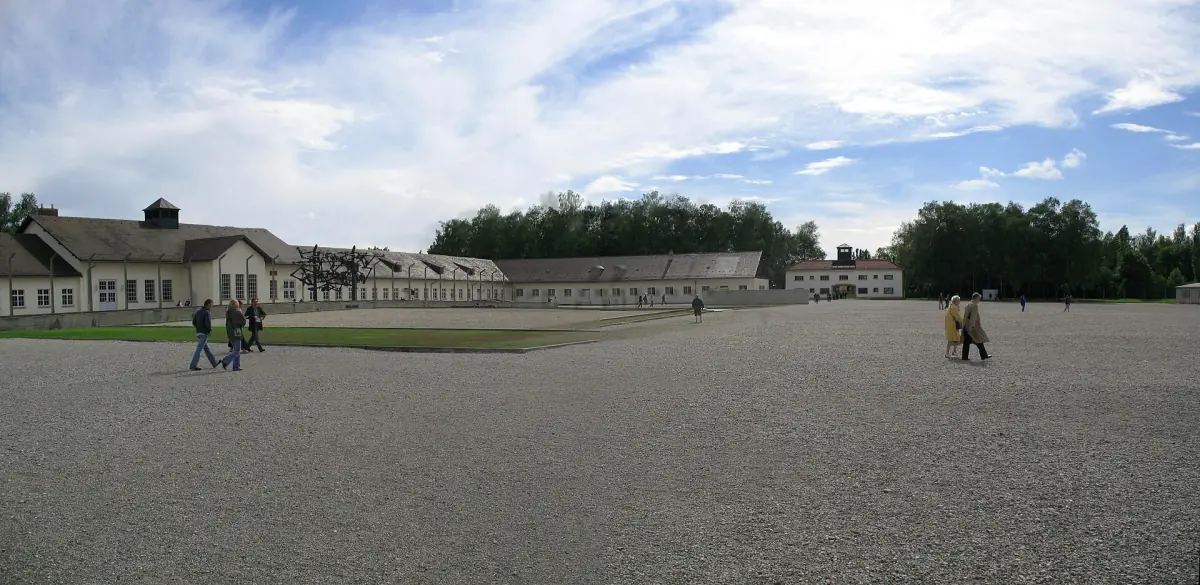
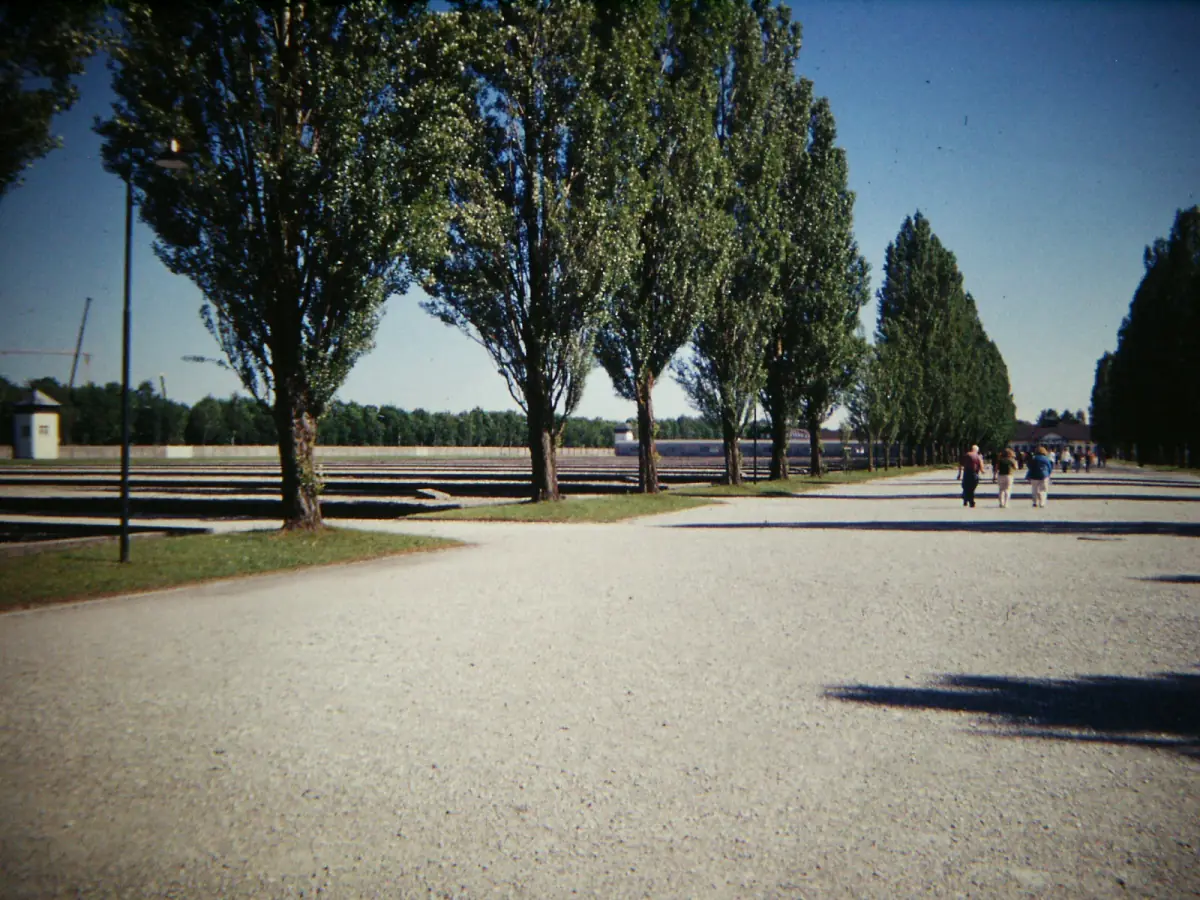
A guided visit to the memorial site
A full-day visit with time for the grounds where the camp was liberated. Only guides licensed by the memorial site may lead tours on the grounds.
Hand-picked tours, booked through Viator. Prices are indicative starting prices in euros (as of October 2026). Tap a tour for live availability and the current price in your currency.
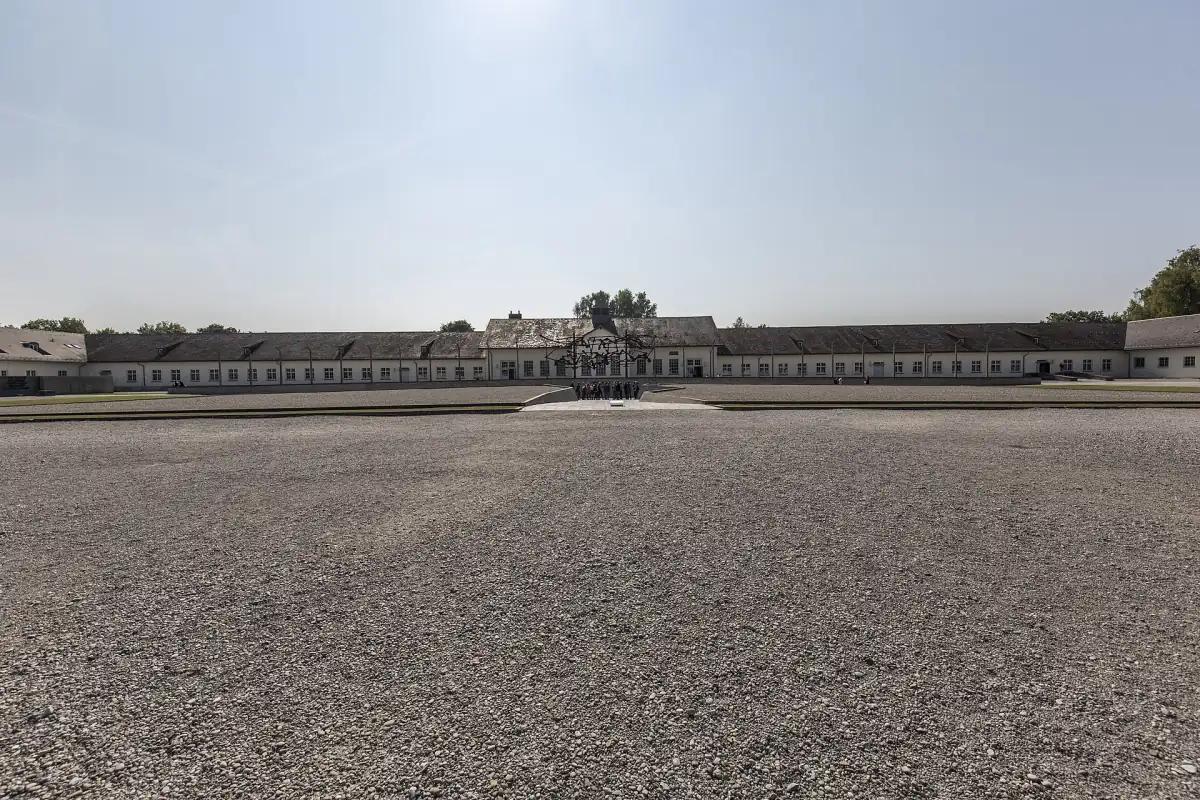
A guided visit to the memorial site
A guided visit to the memorial site from Munich. Only guides licensed by the memorial site may lead tours on the grounds.
Liberation of Dachau: frequently asked questions
When was Dachau liberated?
US troops liberated the Dachau concentration camp on 29 April 1945. The survivors of the death march from the main camp were liberated in early May 1945.
Who liberated Dachau?
The US Holocaust Memorial Museum names the 42nd Infantry Division, the 45th Infantry Division and the 20th Armored Division of the US Army.
How many prisoners were liberated?
According to the US Holocaust Memorial Museum, about 32,000 prisoners were liberated. On 26 April 1945, three days earlier, 67,665 registered prisoners had been held in the main camp and the subcamps together.
What was the death march from Dachau?
From 26 April 1945, the Germans forced more than 7,000 prisoners from the main camp, most of them Jews, on a march toward Tegernsee. Many were shot or died of hunger, cold and exhaustion. Across the whole camp system, at least 25,000 prisoners were taken away or forced onto marches from 23 April 1945.
Is the memorial site open on the anniversary of the liberation?
The memorial site is open daily from 9 am to 5 pm, closed only on 24 December, and admission is free. Dates for future commemorations are announced by the memorial site. Check the current details of the memorial site before your visit.
How much time should I allow for a visit?
The memorial site gives half a day as the typical time needed for the grounds and the exhibitions. The memorial site advises against a visit for children under 13 in its FAQ, while its visitor regulations name children under 12.